

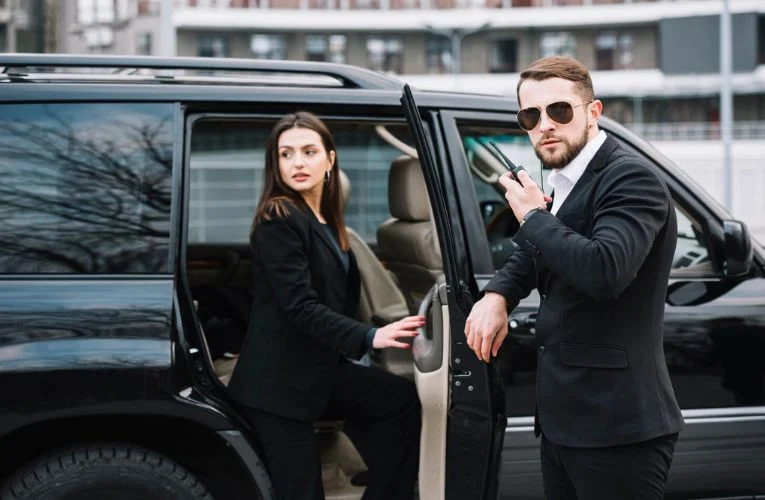
High-profile public appearances often involve more than attending an event or meeting an audience. Business leaders, public figures, prominent professionals, and other individuals may face challenges involving personal privacy, crowd management, unwanted attention, and the protection of confidential information.
Although public appearances provide opportunities for professional engagement and public communication, they can also expose individuals to intrusive photography, unauthorised approaches, persistent questioning, and unexpected changes in the surrounding environment. Consequently, personal security requires careful planning that balances protection with the individual’s right to participate comfortably in public activities.
Private bodyguards can play an important role in maintaining this balance. Their responsibilities extend beyond physical protection because they may also help manage access, coordinate movements, identify potential concerns, and reduce unnecessary exposure to intrusive situations.
When properly planned, professional private bodyguard services can help clients attend public appearances with greater confidence while maintaining appropriate boundaries between their public activities and private lives.
How Private Bodyguards Help Maintain Privacy
1. Planning Arrivals and Departures
Arrivals and departures can be particularly sensitive moments during high-profile events. Attendees, photographers, visitors, and members of the public may gather near entrances, creating opportunities for unwanted approaches or congestion.
Private bodyguards can coordinate arrival and departure arrangements with event organisers and authorised personnel. Before the appearance, they may review the venue layout, identify designated access points, and establish suitable procedures for moving between the vehicle and the event area.
Additionally, they can communicate with the client about expected timings and any changes to the schedule.
For example, a business executive attending a crowded industry conference may require a planned route from the vehicle to the registration area. By coordinating this movement in advance, the security team can reduce confusion and limit unnecessary exposure.
However, arrangements should remain flexible. If an entrance becomes congested or an event schedule changes unexpectedly, the team may need to adjust the plan while following authorised instructions.
The objective is not to isolate the client from the public entirely. Instead, it is to support safe, orderly movement while respecting the nature of the appearance.
2. Managing Unwanted Approaches
High-profile individuals may attract requests for photographs, introductions, conversations, or personal attention. While many interactions are harmless, repeated or intrusive approaches can create discomfort and disrupt scheduled activities.
Private bodyguards can help manage these situations by maintaining an appropriate distance between the client and other people. They may also direct visitors towards event representatives or communicate established access restrictions.
For instance, during a business reception, an individual may attempt to interrupt a private conversation with senior executives. A private bodyguard can help preserve the meeting’s boundaries without creating unnecessary confrontation.
Furthermore, private bodyguards should understand the difference between legitimate public engagement and behaviour that creates a genuine concern. A respectful approach is generally more appropriate than treating every unfamiliar person as a threat.
Clear communication, professional conduct, and proportionate responses can help protect the client’s privacy while allowing normal social and professional interactions to continue.
3. Protecting Confidential Conversations
Public events frequently bring together business leaders, clients, colleagues, and professional contacts. During these occasions, discussions may involve negotiations, personal matters, business plans, or other information that should not be overheard.
Although bodyguards are not usually responsible for directing the content of conversations, they can help identify suitable locations and manage the surrounding environment.
For example, if a client needs to discuss a confidential matter during a conference, the security team can coordinate access to an appropriate private room through the event organiser. Similarly, they can help discourage unauthorised entry into designated meeting areas.
In addition, bodyguards should maintain discretion themselves. They may become aware of sensitive schedules, personal information, or business arrangements while performing their duties. Such information should be handled according to professional confidentiality expectations and the agreed terms of the assignment.
Nevertheless, physical security alone cannot guarantee confidentiality. Clients should also avoid discussing sensitive matters in crowded corridors, lifts, or other areas where conversations may easily be overheard.
4. Coordinating With Event Organisers
Event organisers often manage registration, guest lists, restricted areas, backstage access, and venue procedures. However, these arrangements may not automatically address every requirement of an individual client.
Private bodyguards can coordinate with authorised event representatives before the appearance. This communication helps establish clear expectations regarding entry, movement, seating, waiting areas, and departure arrangements.
For example, a speaker attending a product launch may need access to a preparation room before going on stage. By confirming this requirement in advance, the security team can help prevent unnecessary interruptions and unauthorised entry.
Moreover, coordination can reduce confusion when several teams are involved. Event security, venue management, transport personnel, and the client’s representatives should understand their respective responsibilities.
As a result, the client can move between scheduled activities more smoothly, while the event continues without unnecessary disruption.
5. Reducing Exposure of Personal Schedules
Public appearances often follow a timetable that includes travel, meetings, interviews, meals, and private engagements. However, sharing the entire schedule with too many people can increase the risk of unwanted attention.
Private bodyguards can help manage schedule information by communicating relevant details only to authorised individuals who need them for the assignment.
Additionally, they can help the client respond to unexpected changes without unnecessarily revealing private arrangements.
For instance, if a meeting finishes earlier than expected, the security team may coordinate the next movement with the client’s authorised representative. The updated details do not need to be shared with every person involved in the event.
Nevertheless, schedule management should remain practical. Drivers, event organisers, and other relevant personnel must receive the information necessary to perform their duties safely and effectively.
The goal is to maintain appropriate confidentiality without creating communication gaps.
6. Supporting Privacy in Crowded Venues
Conferences, exhibitions, award ceremonies, and public gatherings can involve large crowds and unpredictable movement. Consequently, maintaining personal space may become difficult, particularly when an individual attracts attention.
Bodyguards can assess the immediate environment, observe crowd movement, and help the client navigate busy areas. Where appropriate, they may coordinate with venue security to manage access around designated spaces.
For example, a client leaving a stage after a presentation may need to move through a corridor shared by attendees and staff. Advance coordination can help reduce congestion and limit unwanted interruptions.
Furthermore, bodyguards can monitor changes in the environment and communicate concerns before they affect the client’s movement.
However, their approach should remain proportionate to the situation. Excessive physical intervention can attract additional attention and disrupt the event. Therefore, professional judgement and respectful communication are essential.
7. Maintaining Professional Boundaries on Social Media
Photographs, videos, and real-time updates can make public appearances visible far beyond the venue. Although social media is often an important part of public engagement, it can also reveal information that clients prefer to keep private.
Bodyguards may help reinforce agreed procedures for protecting the client’s schedule and movement details. For example, they can coordinate with the client’s representatives regarding the timing of arrivals, departures, or announcements when those details are sensitive.
Additionally, they should avoid independently publishing photographs, sharing assignment details, or discussing the client’s movements on personal accounts.
However, social media decisions usually involve the client, communications team, event organiser, and other authorised representatives. Bodyguards should follow the agreed instructions rather than independently controlling public communication.
By maintaining clear boundaries, everyone involved can support appropriate privacy without unnecessarily restricting legitimate publicity.
Preparing for a High-Profile Public Appearance
Effective privacy protection begins before the event. Although some situations cannot be predicted, preparation can help the security team respond more consistently.
A pre-event discussion should establish the client’s expectations, the nature of the appearance, the level of public interaction, and any particular privacy concerns.
Important planning considerations include:
- Venue information: Understand the entrances, exits, designated waiting areas, and access restrictions.
- Event schedule: Confirm the planned activities, expected timings, and authorised changes.
- Contact arrangements: Identify the event organiser and the client’s authorised representatives.
- Privacy expectations: Clarify how photographs, confidential conversations, and personal schedule details should be handled.
- Transport coordination: Agree on suitable pickup and departure procedures.
- Emergency arrangements: Understand the venue’s emergency procedures and the appropriate reporting channels.
- Professional boundaries: Establish how the bodyguard should support public interactions while respecting the client’s preferences.
Furthermore, the client should communicate any specific requirements clearly. Some individuals may prefer a discreet presence, while others may require more visible assistance because of the event environment.
The security arrangement should reflect these needs rather than applying the same approach to every appearance.
Professional Conduct and Discretion
A private bodyguard’s behaviour can influence how the client is perceived by other people. Consequently, professional conduct is essential when maintaining privacy at public events.
Private bodyguards should communicate respectfully, avoid unnecessary confrontation, and understand the difference between protecting personal space and preventing legitimate interaction.
Moreover, discretion is especially important when the client is attending a professional or social event. An overly intrusive approach may draw attention to the very privacy concerns the team is trying to manage.
Bodyguards should also respect applicable laws, venue rules, and the rights of other attendees. Their authority should remain within the scope of their role and the arrangements established for the assignment.
In addition, they should maintain appropriate confidentiality after the event. Details about private conversations, personal relationships, travel arrangements, and security procedures should not be casually disclosed.
These professional standards help establish trust and support a more comfortable working relationship between the client and the security team.
Choosing Suitable Private Bodyguard Services
Not every public appearance presents the same security requirements. A private business meeting, a crowded product launch, and a large public ceremony can involve different levels of exposure and operational complexity.
Therefore, clients should discuss their requirements before selecting a private bodyguard service.
Useful considerations include the bodyguard’s relevant experience, communication skills, professional conduct, ability to coordinate with event personnel, and understanding of confidentiality expectations.
Clients should also clarify the scope of the assignment. This may include the duration of coverage, travel requirements, expected public interactions, and procedures for handling schedule changes.
Furthermore, any licensing, training, or other professional requirements applicable to the assignment should be verified. Clear arrangements help prevent misunderstandings and ensure that responsibilities are understood from the beginning.
Ultimately, effective personal security should support the client’s activities rather than unnecessarily restrict them.
Conclusion
Maintaining privacy during high-profile public appearances requires preparation, situational awareness, discretion, and effective coordination. Private bodyguards can help manage arrivals and departures, control access to designated areas, reduce unwanted interruptions, protect sensitive schedule information, and support a professional environment during public engagements. Furthermore, clear communication between the client, security team, and event organisers can make these arrangements more effective.
For individuals seeking professional security support, Om Sai Safeguard Services can be considered for security arrangements suited to their specific requirements. By emphasising professional conduct, careful planning, and responsible security practices, Om Sai Safeguard Services can help clients approach public appearances with greater confidence while maintaining appropriate personal boundaries and privacy.
