

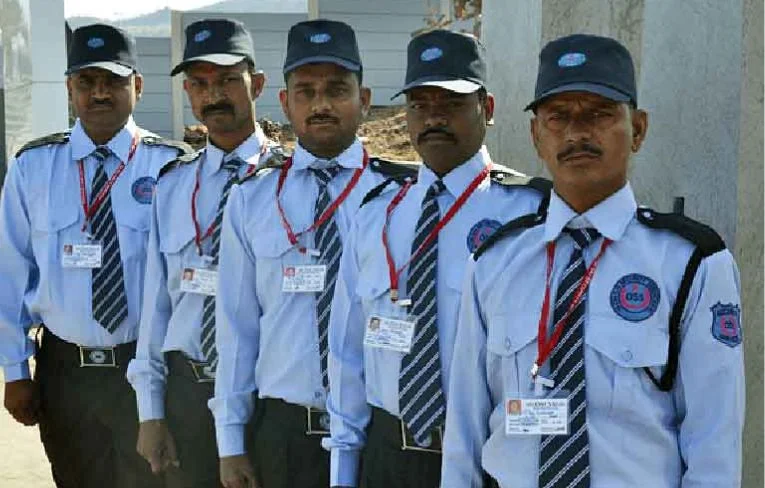
Security Services in Delhi for Warehouses are important for protecting valuable inventory, controlling access, monitoring premises, and maintaining secure operations across warehouses and storage facilities.
Warehouses and storage facilities play an important role in keeping goods, equipment, raw materials, and finished products secure before they reach their next destination. At the same time, these properties can face different security challenges because of their large layouts, frequent vehicle movement, multiple access points, valuable inventory, and extended operating hours.
Professional security services in Delhi can support warehouses by maintaining controlled access, monitoring movement, protecting storage areas, and responding to unusual activity. For businesses looking specifically for Security Services in Delhi for Warehouses, a structured on-site security approach can help address the unique requirements of large storage facilities. Moreover, trained security personnel can coordinate with warehouse employees, drivers, contractors, and management to maintain a more organized security process throughout the facility.
Understanding Security Challenges in Warehouse Environments
Warehouse security is different from security at a typical office or residential property. A storage facility may include large open areas, loading docks, parking spaces, separate storage sections, and several entrances or gates. Therefore, security personnel need to understand how different parts of the property are used.
Inventory can also vary considerably in value and sensitivity. Some warehouses may store electronics, machinery, documents, pharmaceuticals, raw materials, or other high-value goods. Consequently, unauthorized access or improper movement of products can create operational and financial concerns.
A structured security presence helps businesses monitor these areas while allowing normal warehouse operations to continue without unnecessary disruption. This is one of the key reasons Security Services in Delhi for Warehouses are increasingly important for businesses managing valuable stock and frequent site activity.
Security Services in Delhi for Warehouses
One of the first security requirements for a warehouse is controlling who enters and leaves the property. Employees, suppliers, delivery drivers, contractors, visitors, and service personnel may all require access at different times.
Security personnel can verify visitors and confirm whether they have a legitimate reason to enter the premises. Vehicle movement can also be monitored at entry and exit points.
Depending on the facility’s procedures, guards may check or record:
- Visitor identification and purpose of the visit
- Vehicle registration details
- Delivery and collection information
- Contractor entry and exit times
- Authorization for access to restricted areas
A consistent access process can reduce confusion and make it easier to identify unusual activity. This becomes particularly useful when a warehouse receives a high volume of deliveries throughout the day.
Monitoring Loading and Unloading Areas
Loading bays are among the busiest areas of many warehouses. Trucks and other commercial vehicles may arrive throughout the day, while employees move products between storage areas and vehicles.
Because activity is concentrated in these areas, maintaining security can become challenging. Security personnel can monitor vehicle arrivals, verify authorized drivers, and observe loading and unloading activity.
They can also help ensure that vehicles remain in designated areas and that unauthorized individuals do not enter loading zones.
During busy periods, security personnel may pay attention to:
- Vehicle entry and departure
- Driver and delivery information
- Movement around loading bays
- Unauthorized access to loading areas
- Unusual delays or activity around parked vehicles
As a result, security monitoring around loading zones can support both property protection and a more controlled movement process. Effective Security Services in Delhi for Warehouses can make these busy areas easier to manage while supporting authorized vehicle and personnel movement.
Protecting Stored Inventory
The primary purpose of many warehouses is to store products or materials until they are needed elsewhere. Therefore, protecting inventory is a central part of warehouse security.
Security personnel can monitor access to storage areas and pay attention to unusual movement around valuable goods. Restricted sections can also be monitored more closely when access is limited to specific employees or authorized personnel.
Regular patrols can help identify concerns such as:
- Unsecured doors or storage areas
- Damaged locks or access points
- Unattended packages or materials
- Unexpected movement in restricted sections
- Signs of unauthorized entry
A visible security presence can also discourage unauthorized individuals from attempting to enter storage areas.
Monitoring the Warehouse Perimeter
Large warehouses often occupy considerable areas of land. Their boundaries may include parking spaces, service roads, gates, loading areas, fencing, and less frequently used sections.
Consequently, monitoring only the main entrance may not provide sufficient coverage.
Security guards can conduct scheduled patrols around the perimeter and check areas that may otherwise receive limited attention. As part of Security Services in Delhi for Warehouses, these patrols can cover gates, fencing, parking areas and other vulnerable sections of a property. During these patrols, they may monitor:
- Boundary walls and fencing
- Secondary gates and entrances
- Parking and vehicle areas
- Less frequently used sections
- Areas with limited lighting
Regular perimeter checks can help identify damaged fencing, unsecured gates, unusual vehicles, or unauthorized activity near the property boundary.
Managing Vehicle Movement
Warehouses frequently deal with delivery trucks, supplier vehicles, employee vehicles, and contractor vehicles. Without proper monitoring, the number of vehicles entering and leaving can make it difficult to maintain a clear record of activity.
Security personnel can help direct vehicles to designated areas and monitor movement through warehouse gates. Well-planned Security Services in Delhi for Warehouses can also help maintain a clearer record of vehicle movement during busy delivery periods. They may also verify delivery information and coordinate with warehouse staff when required.
This process becomes especially useful during busy periods when several vehicles arrive within a short timeframe. In addition, controlled vehicle movement can reduce unnecessary congestion around loading docks and other restricted areas.
Supporting Night-Time Warehouse Security
Many warehouses operate beyond traditional business hours. Some function throughout the night, while others remain closed but continue to store valuable inventory.
During quieter periods, unusual activity around the property may be easier to notice. However, large facilities can still have areas that require regular monitoring.
Security personnel can conduct night patrols, check access points, observe perimeter areas, and monitor activity around storage and loading zones. Security Services in Delhi for Warehouses are particularly useful during these quieter periods because trained guards can maintain an active on-site presence.
Night-time security may involve:
- Checking gates and entrances
- Patrolling storage and parking areas
- Monitoring unusual movement
- Observing perimeter sections
- Reporting incidents or suspicious activity
Therefore, maintaining security during low-activity periods can help reduce gaps in warehouse protection. This is another important area where Security Services in Delhi for Warehouses can provide continuous on-site monitoring when fewer employees are present.
Managing Contractors and Temporary Workers
Warehouses may regularly require maintenance workers, equipment technicians, cleaning teams, electricians, or other contractors. These individuals may need access to areas that are not normally open to external personnel.
Security personnel can help verify their identity and confirm that their visit has been authorized. Including contractor management within Security Services in Delhi for Warehouses can create a clearer process for temporary access and movement inside the facility. Where necessary, guards can also record the time of entry and exit and direct contractors toward the appropriate area.
This creates a clearer record of temporary access and can help prevent unauthorized movement within the facility.
Supporting Security Around Restricted Areas
Not every section of a warehouse needs to be accessible to every employee or visitor. Certain areas may contain sensitive documents, expensive equipment, specialized products, or valuable inventory.
Security personnel can help monitor these restricted sections and ensure that access is limited according to the facility’s procedures. This makes restricted-area monitoring an important part of Security Services in Delhi for Warehouses where certain inventory, equipment or documents require additional protection.
These areas may include:
- High-value inventory sections
- Equipment rooms
- Document storage areas
- Specialized product storage
- Electrical or utility areas
- Other management-restricted locations
If an individual attempts to access a restricted section without proper authorization, security personnel can follow the established reporting and response procedures.
Identifying and Reporting Unusual Activity
Warehouse security is not limited to preventing unauthorized entry. Security personnel also need to recognize activity that differs from normal operations.
Examples may include:
- An unfamiliar vehicle remaining near the property
- An individual attempting to access a restricted area
- An unsecured gate or door
- Movement around the facility outside expected operating hours
- Unusual activity near storage or loading areas
When such situations occur, trained security personnel can observe the situation, follow established procedures, and report the incident to management.
Accurate reporting also helps warehouse operators understand what happened and determine whether further action is necessary.
Supporting CCTV and Security Technology
Technology can provide useful support in warehouse security. CCTV cameras, access-control systems, alarms, lighting systems, and other monitoring tools can provide visibility across a large property.
However, technology works more effectively when supported by trained personnel.
Security guards can monitor relevant camera feeds, respond to alerts, inspect physical areas, and report issues that require attention. They can also provide on-site confirmation when an alarm or unusual activity is detected.
This combination of technology and human monitoring can provide broader coverage than relying on either approach alone. For larger facilities, Security Services in Delhi for Warehouses can combine trained personnel with CCTV, access control and other security systems to support more consistent monitoring.
Maintaining Security During Holidays and Low-Activity Periods
Warehouses may experience reduced staffing during public holidays, weekends, seasonal breaks, or periods when business operations temporarily slow down. However, stored inventory and equipment remain on the premises.
This can create a need for continued monitoring even when normal warehouse activity decreases.
During these periods, security personnel can:
- Maintain access control
- Conduct scheduled patrols
- Monitor entrances and exits
- Observe the property perimeter
- Report unusual activity to designated contacts
Maintaining a security presence during low-activity periods can help prevent gaps in monitoring when fewer employees are present.
Supporting Emergency Response
A warehouse may face different types of emergencies, including fire, electrical problems, equipment failures, medical incidents, or security-related situations.
Security personnel are often among the first people present when an unexpected event occurs. They can raise an alert, notify the relevant personnel, help control access to affected areas, and coordinate with emergency responders according to established procedures.
During an emergency, their responsibilities may include:
- Raising the appropriate alert
- Contacting management or emergency services
- Restricting access to affected areas
- Helping direct people away from unsafe locations
- Providing relevant information to responders
- Recording important details about the incident
These actions can help maintain greater control while the appropriate response is being organized.
Maintaining Clear Security Records
Security records can provide useful information about what happens at a warehouse throughout the day.
Depending on the facility’s procedures, records may include visitor entries, vehicle movements, contractor access, unusual incidents, deliveries, and security observations.
For example, security records may help management identify:
- Repeated access issues
- Unusual vehicle activity
- Frequent visitor movements
- Recurring incidents
- Problems with gates, doors, or other access points
Keeping these records consistently can make it easier to review incidents and identify recurring security concerns.
Coordinating Security Across Different Shifts
Warehouses that operate for extended hours may have several security shifts. In such environments, communication between security personnel is particularly important.
A proper shift handover allows incoming guards to understand important developments from the previous shift. This may include unusual activity, maintenance work, expected visitors, vehicle information, damaged access points, or other observations.
Important handover information can include:
- Incidents from the previous shift
- Expected visitors or contractors
- Vehicle-related observations
- Access-control concerns
- Maintenance or repair activity
- Areas requiring additional monitoring
Consequently, effective handovers can reduce the risk of important information being missed when responsibility changes between security teams.
Building a More Organized Warehouse Security Process
Effective warehouse security depends on consistency. Access control, patrols, visitor monitoring, vehicle checks, incident reporting, and emergency procedures need to work together rather than operate as separate activities.
The specific approach can also vary depending on the warehouse’s size, location, operating hours, inventory, number of employees, and movement of vehicles.
For this reason, security arrangements should be structured around the actual requirements of the facility. A smaller storage location may need a different approach from a large distribution warehouse with multiple gates and continuous vehicle movement.
Professional security personnel can help maintain these processes while providing an on-site presence throughout the required operating hours.
Useful Security Resources
Businesses reviewing warehouse protection can also refer to official resources for broader safety and emergency-planning information. You can explore Delhi Police and the National Disaster Management Authority for relevant public-safety information.
For businesses looking for professional protection for commercial and industrial properties, you can also visit Om Sai Safeguard Services to explore the company’s security solutions.
Conclusion
Warehouses and storage facilities require security measures that account for inventory, vehicles, loading operations, access points, employees, contractors, and large property layouts. Regular monitoring can help businesses maintain better control over movement and respond more effectively when unusual situations arise.
Professional security services in Delhi can provide trained personnel to support access control, warehouse patrols, perimeter monitoring, inventory protection, vehicle movement, incident reporting, and emergency coordination. Choosing suitable security services in Delhi for warehouses can help businesses build a more organized security process around their specific operational needs.
Om Sai Safeguard Services provides professional security solutions designed around the specific requirements of commercial and industrial properties. With trained security personnel and structured security procedures, businesses can maintain a more controlled and organized environment across their warehouse and storage facilities.
